
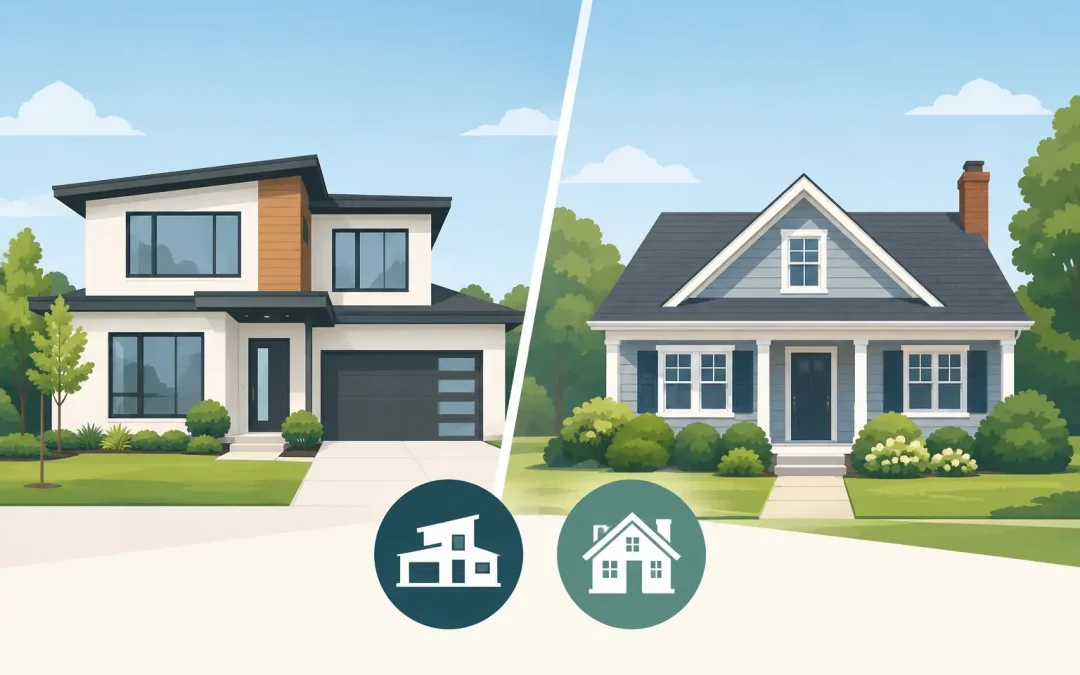
A home in the Hudson Valley can mean very different things: a newly built house with efficient systems and a blank-slate kitchen, or a century-old village home with mature trees, walkable streets, and a story in every room. The new construction vs resale decision is not simply about whether a house is old or new. It is about how you want to live, what risks you are comfortable managing, and where your budget has the most buying power.
For buyers in Ulster, Dutchess, Orange, Greene, and surrounding counties, the best choice often depends on location as much as the home itself. New building opportunities can be limited in established hamlets and historic downtowns, while resale homes may offer access to the neighborhoods, views, acreage, and community character that brought you upstate in the first place.
New Construction vs Resale: Start With Your Priorities
New construction can be appealing because the major decisions appear to be made for you. A newly completed home may offer modern insulation, energy-efficient windows, updated electrical service, new appliances, and fewer immediate repair needs. For a busy buyer relocating from the city or purchasing a second home, that lower-maintenance promise can be meaningful.
A resale home offers a different kind of value. It may sit on a more established lot, closer to a village center, or in a neighborhood where new development is unlikely. In places such as Kingston, New Paltz, Rosendale, and Kerhonkson, resale inventory often includes the architectural character many buyers want: covered porches, barns, stonework, original wood floors, and landscapes that have had decades to grow in.
Neither route is automatically better. A brand-new home on a quiet country road may be exactly right for a buyer who values efficiency and privacy. A resale home near restaurants, trails, and local shops may be the stronger fit for someone who wants community and convenience. The right question is not, “Which type is best?” It is, “Which compromises are acceptable for the way we plan to use this home?”
What New Construction Really Costs
The advertised base price of a new home is rarely the full picture. When buying from a builder, upgrades can add up quickly. Flooring, cabinetry, countertops, lighting, appliances, decking, landscaping, and finished lower-level space may or may not be included in the initial price. Ask for a clear list of standard features and every available upgrade before comparing a new build to a resale property.
Site-related costs also deserve close attention in upstate New York. If the home is not connected to municipal water and sewer, the price may involve a well, septic system, driveway, drainage work, or utility extensions. A rural build can be beautiful, but the property needs to function well through wet springs, winter storms, and changing seasons.
Property taxes can be another moving piece. New construction may be assessed differently after completion, so an early tax estimate may not reflect the eventual assessment. Buyers should ask how the current taxes were calculated and speak with their lender and attorney about the figures used for long-term affordability.
Financing can look different, too. A completed spec home may be financed much like a resale purchase. A home that has not yet been built, or is still under construction, may involve builder deposits, construction timelines, lender requirements, and contract terms that need careful review. Your mortgage preapproval should match the type of purchase you are making, not just the purchase price you hope to pay.
The Advantages and Limits of a New Home
A well-built new home can offer real day-to-day benefits. Modern heating and cooling systems, better insulation, new roofs, and updated building standards may reduce early maintenance and improve comfort. Many buyers also appreciate being the first owner, particularly if they can choose finishes that suit their style.
Builder warranties can provide another layer of reassurance, but they are not a substitute for due diligence. Read the warranty carefully. Understand what is covered, for how long, how claims are handled, and whether appliances or mechanical systems carry separate manufacturer warranties. Cosmetic issues, seasonal settling, and landscaping concerns can have different coverage rules than structural defects.
Even a new home should be inspected. A professional inspector can identify incomplete work, safety concerns, drainage issues, missing components, or installation problems before closing. If possible, inspections should occur before drywall goes up, before closing, and again near the end of the builder warranty period. New does not always mean flawless.
Timing is the other major consideration. Construction schedules can shift because of weather, permitting, labor availability, material delays, or changes requested by the buyer. If you need to sell another home, start a new job, or coordinate a school-year move, build in flexibility. A projected completion date is useful, but it should not be treated as guaranteed until the contract clearly addresses delays and your backup housing plan is realistic.
Why Resale Homes Continue to Win Buyers
Resale homes allow you to see the property as it exists today. You can evaluate natural light at different times of day, listen for road noise, assess the condition of the landscaping, and understand how the home relates to neighboring properties. That visibility can be especially valuable in rural and small-town settings, where topography, drainage, internet availability, and road maintenance may affect daily life.
You may also gain more location choices. New construction tends to be concentrated where land can be developed efficiently. Resale homes are often available in established neighborhoods, close to village centers, schools, trail access, and cultural amenities. For a buyer seeking a weekend retreat with an easy walk to coffee, a farm stand, or a favorite restaurant, that location premium can be worth more than brand-new finishes.
A resale home also creates room to prioritize projects over time. You may buy a house with an older kitchen but a better lot, stronger layout, or more desirable address. Renovations can be planned around your budget rather than financed all at once through builder upgrades. This approach works well for buyers who can live with some imperfections and see value in making a home their own gradually.
Of course, resale homes come with their own responsibilities. Older roofs, furnaces, septic systems, wells, chimneys, foundations, and electrical panels require careful evaluation. In the Hudson Valley, buyers should also pay close attention to drainage, moisture in basements, oil tanks, woodstoves, and the age and condition of major systems. An inspection, appropriate specialist reviews, and a realistic repair budget are essential parts of a confident offer.
Compare the Whole Ownership Experience
When comparing two homes, avoid focusing only on the monthly payment or the kitchen finishes. Look at the first five years of ownership. A new build may cost more upfront but require less immediate maintenance. A resale home may have a lower purchase price, a better location, or a larger parcel, but need capital improvements sooner.
Consider commute time, taxes, utilities, internet access, homeowner association rules, future resale appeal, and the time you have available for projects. For second-home buyers, the ability to lock the door and leave for a week may carry extra weight. For investors, local rental regulations, operating costs, and the property’s appeal in all seasons should be part of the analysis. For a growing household, bedrooms and square footage matter, but so do storage, mudroom space, and the practical flow of everyday life.
It is also wise to think beyond your own preferences. The most personal choices are not always the strongest future resale choices. An oversized upgrade package in a remote location may not return dollar for dollar, while a well-maintained resale home near a desirable Hudson Valley village may hold broad appeal. Local market knowledge helps separate a worthwhile investment from an expensive preference.
A Smart Way to Make the Decision
Start by ranking your non-negotiables: location, move-in date, maintenance level, property type, budget ceiling, and lifestyle. Then compare actual homes, not broad assumptions about age. A thoughtfully maintained 1970s home can be more dependable than a rushed new build, and a carefully designed new home can be more efficient than a charming older property with major deferred maintenance.
The strongest purchase is usually the one that gives you clarity before closing. Review disclosures, inspections, permits, warranties, tax information, and contract timelines with professionals who understand the local market. Windsor Realty Services helps buyers weigh those details against the qualities that make a Hudson Valley home feel right, from a walkable village address to the quiet of a wooded country setting.
Your next home does not need to be perfect on paper. It needs to support the life you want to build there, with the confidence that you understand both its promise and its responsibilities.
Recent Comments